
9/11 on the Yard
Just a few weeks after Plebe Summer 2001 ended, the leaves began to change, and life at the U.S. Naval Academy was starting to seem “normal.”
For Colonel Adam Yang ’05, USMC, it felt like the hardest days were behind him. The grueling days of Plebe Summer had passed and were replaced with classes and routines—like a regular stop for a cup of coffee.
“We were in Preble Hall getting coffee,” Yang said. “I remember seeing the planes hit the Twin Towers between classes.”
What had been confusion minutes prior became realization as they watched the second plane hit. Midshipmen and officers understood this was not an accident, the nation was under attack and their roles as future leaders were becoming real.
The attacks of 9/11 were more than a tragedy, they were a turning point on the Yard, marking the transformation of a generation of midshipmen from trainees into future warfighters in the blink of an eye.
The Morning That Changed It All
“I remember at the end of that night thinking, whatever I thought the next several years of my life were gonna look like is probably no longer the case,” said Colonel Charlie Nash ’03, USMC.
That realization was immediately put to action. The Yard’s comforting quietness took on an unsettling feeling.
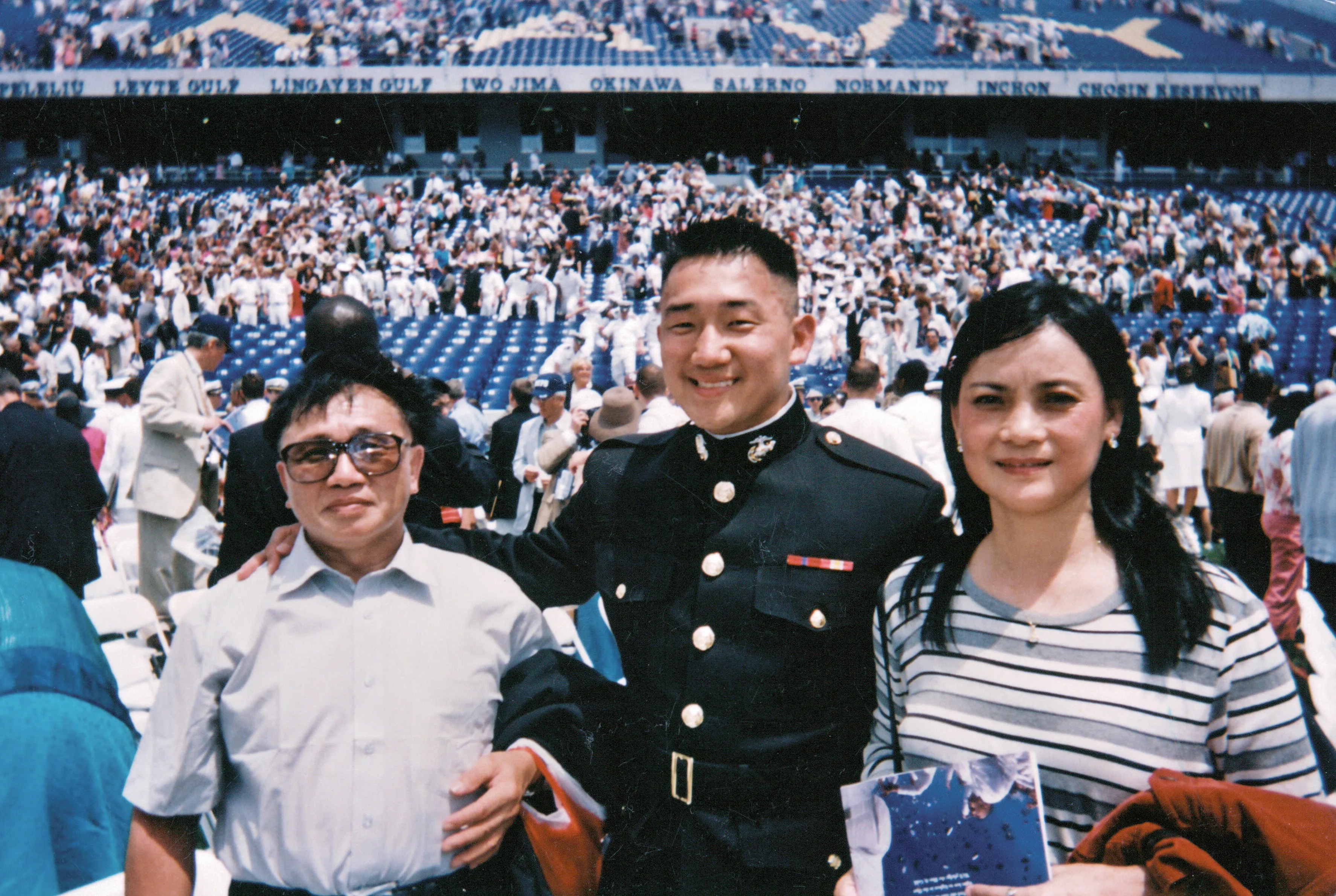
“They set up M60 machine gun pits all over the Yard. The barriers were brought up; the gates were closed,” recalled Colonel Kenneth del Mazo ’01, USMC, who had recently taken a position on the Navy football coaching staff
For many, the realization came in paralyzing terms.
Del Mazo, then a second lieutenant, remembers standing in a room with other officers on the coaching staff, watching the horror come to life.
“[Major Sparky Renforth] said it to us. He said ‘boys, we’re all going to combat now,’” del Mazo said.
Del Mazo and his friends heard a third plane hit the Pentagon, adding another layer of uncertainty. One of their closest friends, Ronnie Winchester ’01, could not get in touch with his father, who was working at the Pentagon that day.
“We just held vigil there, trying to get a hold of Ronnie’s dad,” he said.
Hours passed and answers had not yet come.
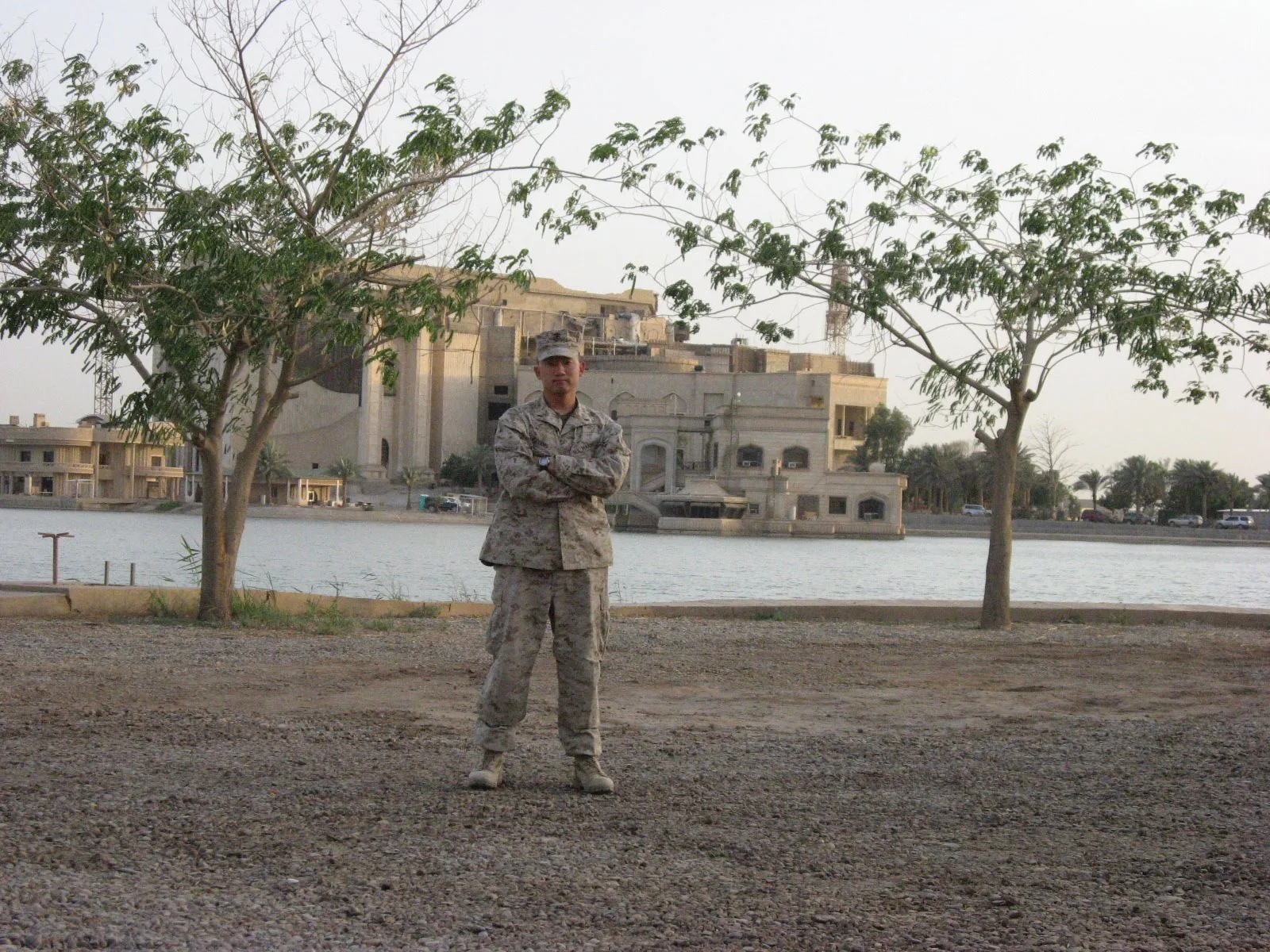
“Everything was shut down,” del Mazo recalled.
When word finally came that Winchester’s father was safe, there was a sense of relief—but not a resolution.
From the Yard to the Battlefield
On the Yard, the effects of 9/11 would not end when the sun rose the following morning.
Yang’s experience, like many other midshipmen at the time, reshaped how they approached each day.
“It’s why we we’re training so hard. With 9/11 happening, we knew that all the training mattered,” Yang said.
What once were drills and exercises now carried greater meaning. The connection between the Academy and the battlefield became tangible.
In the semesters that followed, the connection would only feel closer.
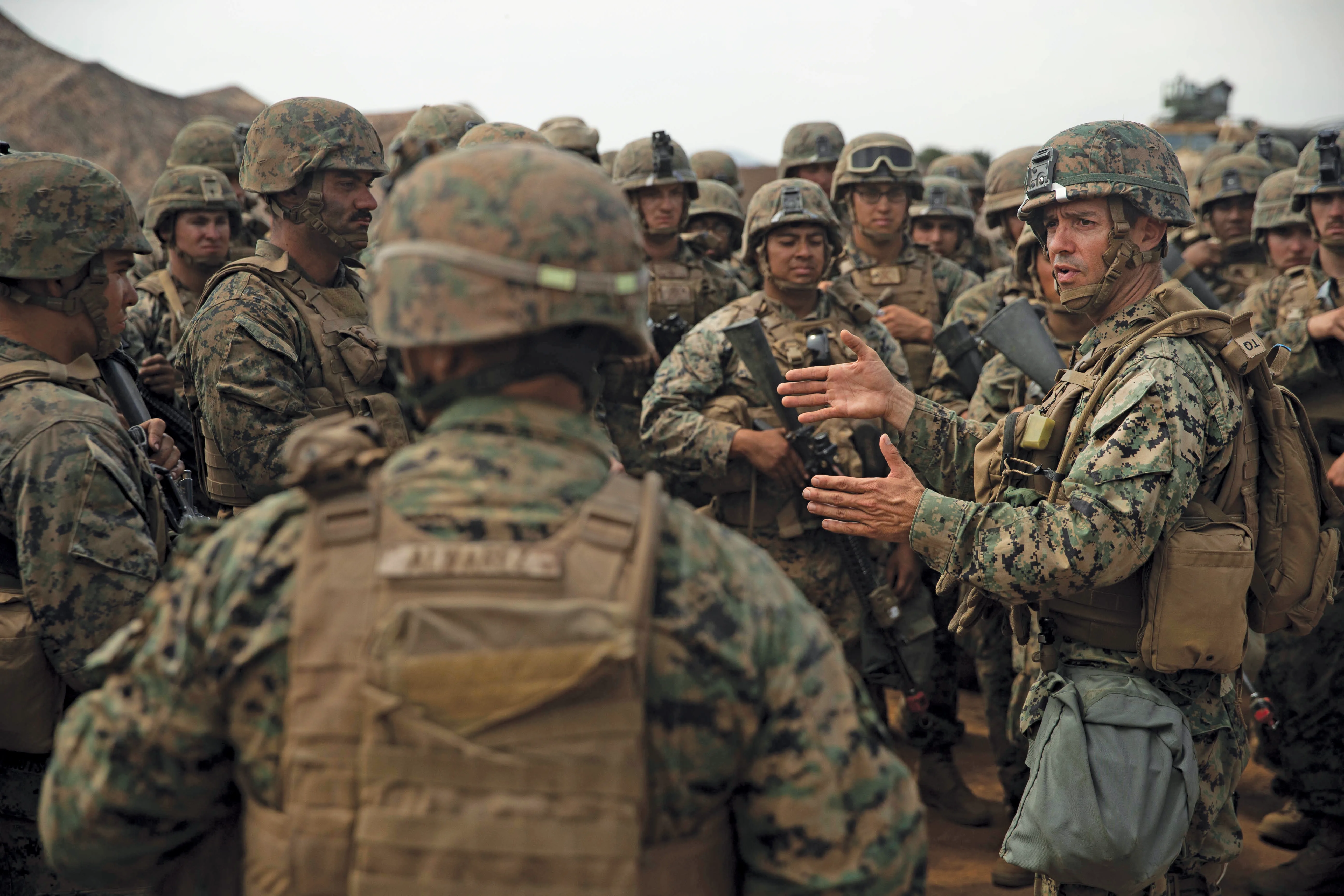
“We’d hear about Naval Academy alumni getting injured or killed out in Iraq or Afghanistan,” he said.
These names were the same ones once heard in classrooms, laughing in the halls of Bancroft and sharing meals together. To many, these were classmates and mentors.
For alumni who were on the Yard on 9/11, the attacks defined an entire era.
Del Mazo looks back on a moment before his deployments began, reflecting on a night in December 2002 with his fellow officers.
“I remember thinking vividly, this is probably the last time we’re all gonna be together. Unfortunately, that was true,” he said.
The years that followed were filled with deployments, long stretches of operations and tragically, loss.
Among those lost was First Lieutenant Ronnie Winchester ’01, USCMR—who spent 9/11 trying to reach his father at the Pentagon. Three years later, he was killed in Iraq in 2004 as a first lieutenant when an IED detonated close to his vehicle as his company’s first combat patrol was crossing a bridge.
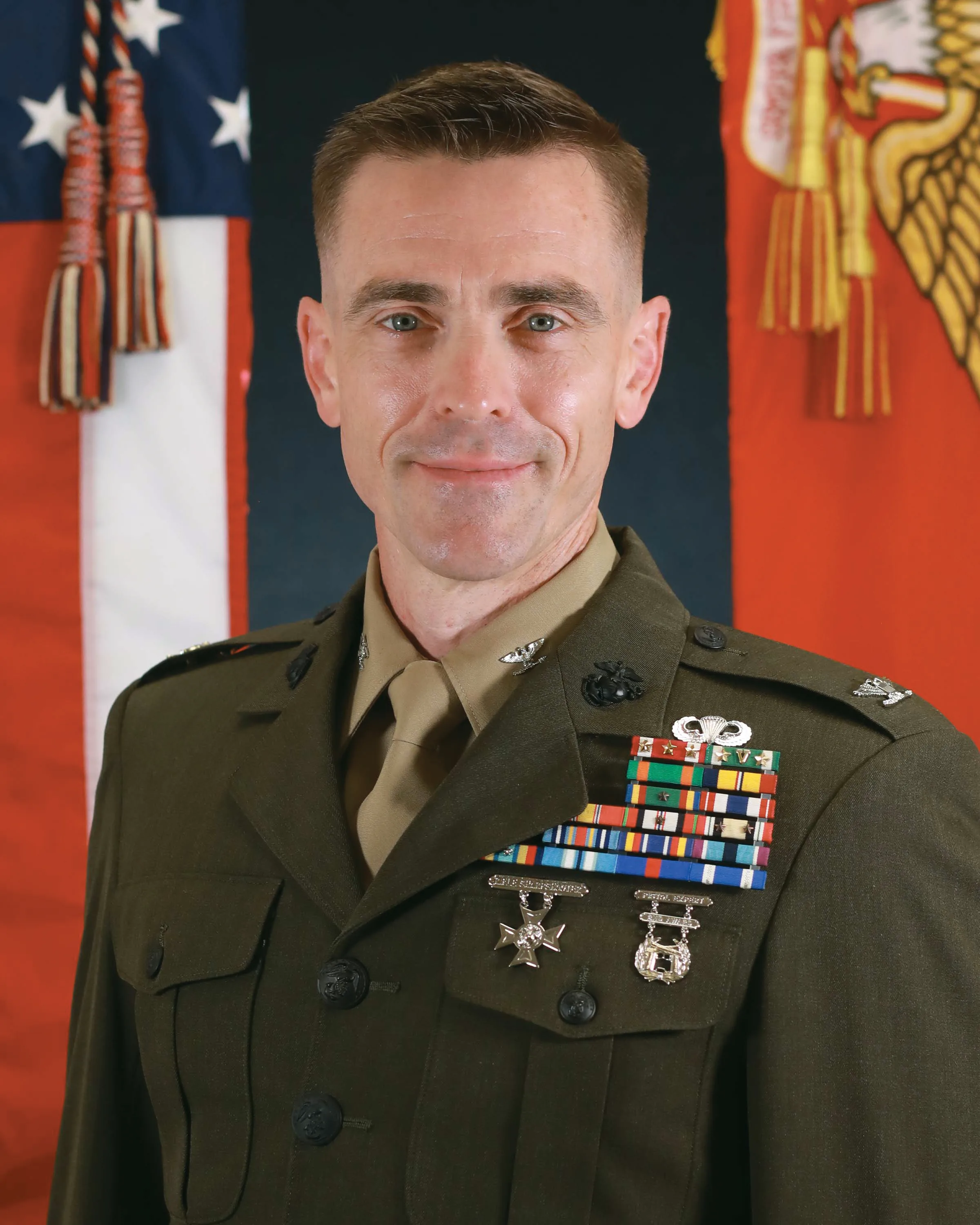
Twenty-five years later, the meaning of 9/11 continues to shape how service is both taught and understood on the Yard.
For those who were at the Naval Academy on 9/11, the importance is not only remembering what happened, but how to prepare for what could come.
“We have to have a September 10th mentality—that the world as we know it could change tomorrow,” Nash said.
Because the story didn’t end with those who lived it.
It is carried on with those who now serve.
“It’s important for us to remember their stories and to teach the next generation the importance of their stories,” Nash said.
At the Naval Academy, the lessons of that dreadful day remain a core part of what it means to lead, to serve, to honor those who made the ultimate sacrifice—and to be ready for the moment when the world can flip in an instant. ⚓